Curiosity is a fundamental human trait that has driven innovation, exploration, and discovery throughout history. From the first cave paintings to the latest scientific breakthroughs, the human thirst for knowledge and understanding has led to some of our greatest achievements as a species. But what does curiosity mean in the context of today’s digital age, where information is just a click away and social media has become a ubiquitous part of our daily lives?
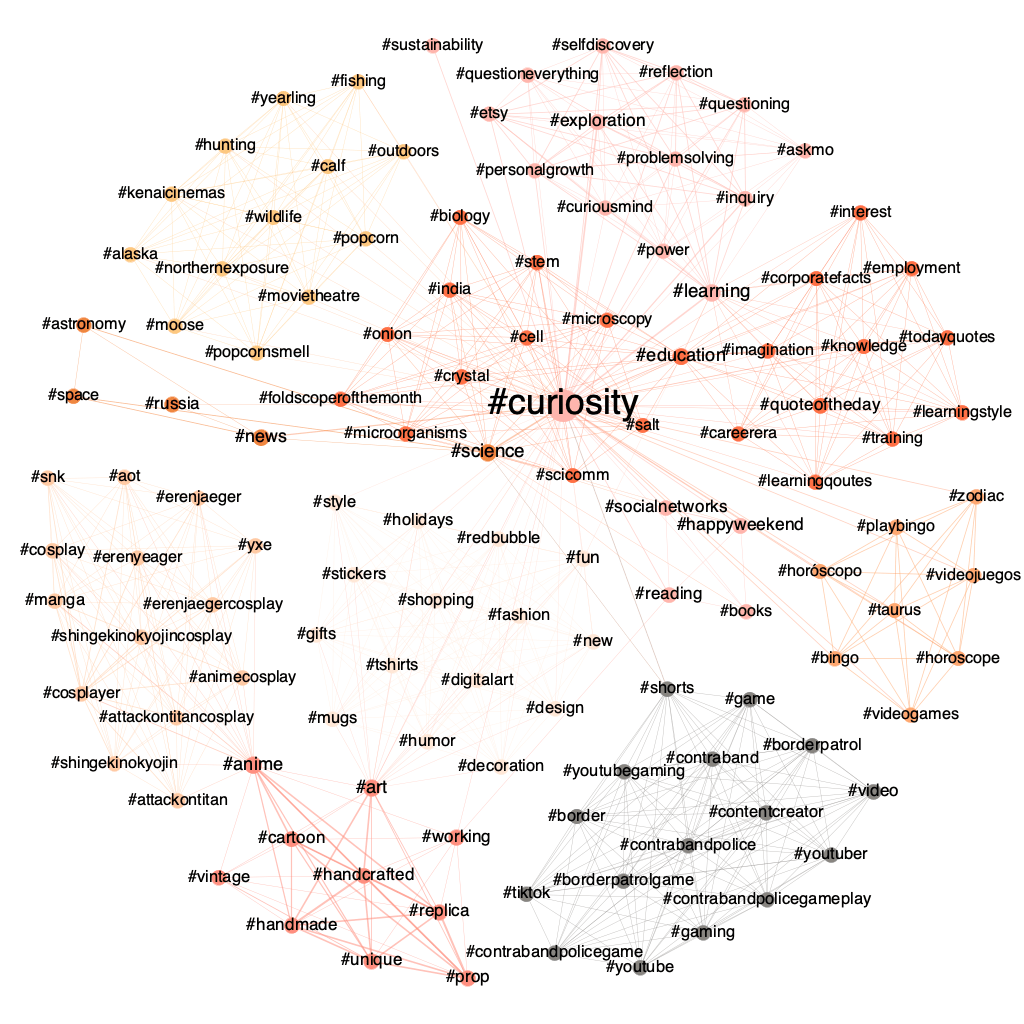
To explore this question, we conducted a social media research project analyzing more than 30,000 posts on Twitter containing the word “curiosity” and its translation in various languages, including English, Italian, French, German, Spanish, and Chinese. Our goal was to gain insight into how people across different cultures and languages understand and express curiosity in the digital age.
What we found was a rich and varied tapestry of perspectives on curiosity, ranging from the philosophical to the practical, and from the deeply personal to the broadly social. In the following blog post, we will explore some of the key themes and insights that emerged from our research, and reflect on what they might tell us about the role of curiosity nowaday.
Credits: www.socioviz.net.
But have you ever wondered what people are curious about. The study revealed that people are most curious about other people. We want to know what makes them tick, why they behave the way they do, and what their beliefs are. The study found that curiosity plays a vital role in STEM education (Science, Technology, Engineering, and Maths), which emphasizes problem-solving and experimentation. Curiosity is a natural fit for the curious minds of STEM enthusiasts.
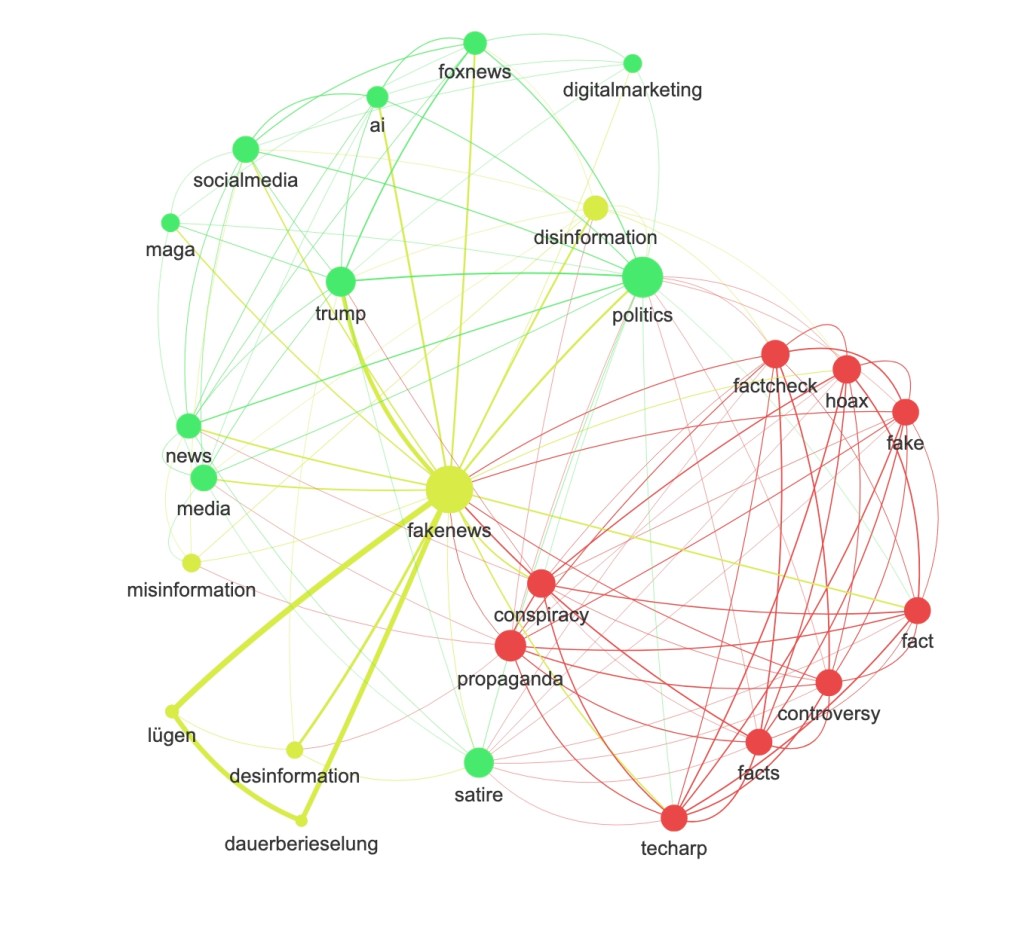
Another point to highlight is that curiosity can help us get closer to the truth. With misinformation and fake news becoming more prevalent, curiosity is becoming more essential in uncovering the facts. The study found a rich array of conversations focused on the importance of curiosity and leadership, the crisis in journalism, and the potential consequences of suppressing or censoring information.
The study’s findings are fascinating, and the magazine, This Curious Life, plans to delve deeper into the topic of curiosity and explore every aspect of life that ignites our curiosity. The magazine aims to share stories from around the world and answer curious questions about longevity and city living based on truth, wisdom, and facts.
In conclusion, human curiosity is a powerful force that drives us to seek knowledge and discovery. From our fascination with other people to its role in STEM education and uncovering the truth, curiosity plays a vital role in our lives. Stay tuned for our next theme for exploration in the Conversation Room, City Living, where we will continue to unravel the mysteries of life that ignite our curiosity.


 Digital Data Stories
Leave a comment