
In today’s digital age, social media platforms have become a treasure trove of valuable data. From user opinions and trends to market research and sentiment analysis, the possibilities are endless. However, accessing and analyzing this vast amount of data can be challenging. That’s where social media scraping comes into play. In this comprehensive blog post, we will delve into the world of social media scraping, exploring its benefits, legal and ethical considerations, best practices, and how it can be a game-changer for businesses and researchers alike.
What is social media scraping
Social media scraping refers to the process of extracting publicly available information and data from social media platforms. It involves using specialized software or programs to collect data efficiently. The purpose of social media scraping is to analyze trends, gauge public opinion, conduct market research, and derive valuable insights from the vast amount of data available on these platforms.
Benefits of social media scraping
Cost-Effectiveness: Social media scraping generally incurs lower costs compared to using APIs or subscription-based third-party tools. It allows businesses and researchers to tailor the scraping process to specific budget constraints. By eliminating the need for expensive data resellers or premium APIs, organizations can save significant resources.
Data Richness & Customization: Social media scraping provides access to a rich and varied set of data points. It enables the retrieval of historical data that may not be accessible through APIs. Researchers can customize the data extraction process to suit their specific research needs, ensuring they gather the most relevant and insightful information.
Independence: Unlike API usage, social media scraping is not restricted by rate limits. It allows for more extensive data collection and provides businesses and researchers with more control over the data collection process since they are not reliant on third-party tools. This independence enables organizations to gather comprehensive data and draw meaningful conclusions without limitations.

Legal and ethical considerations
While social media scraping offers tremendous opportunities, it is crucial to navigate the legal and ethical complexities associated with it. Generally, scraping without permission is considered illegal due to violations of terms of service agreements. Consequences may include account suspension, termination, or legal action. Privacy concerns arise when personal information not intended for public sharing is collected. It is essential to respect user privacy and adhere to platform guidelines.
There are instances where social media scraping is allowed under certain circumstances. For research or journalistic purposes, scraping publicly available data may be permissible. However, it is crucial to ensure compliance with applicable laws and regulations. Ethical considerations go beyond legal compliance and involve fostering a culture of respect and responsibility in handling data.
Best practices for social media scraping
Obtain Consent and Respect Privacy: When scraping social media data, it is essential to obtain consent from users whenever necessary and respect their privacy. Avoid collecting personally identifiable information (PII) without permission.
Monitor Platform Guidelines: Stay updated with the terms of service and guidelines set by social media platforms. These guidelines provide valuable insights into what data can be scraped and how it can be used.
Use Robust Scraping Tools: Utilize reliable and efficient scraping tools that are designed specifically for social media platforms. These tools ensure accurate and efficient data extraction while minimizing the risk of violating platform guidelines.
Data Handling and Security: Implement proper data handling and security measures to protect the scraped data. Ensure compliance with data protection regulations and industry best practices to safeguard sensitive information.
Transparent Data Usage: Clearly communicate how the scraped data will be used and ensure that it aligns with ethical standards. Be transparent with users about the purpose and intentions behind the data collection process.
Real life examples
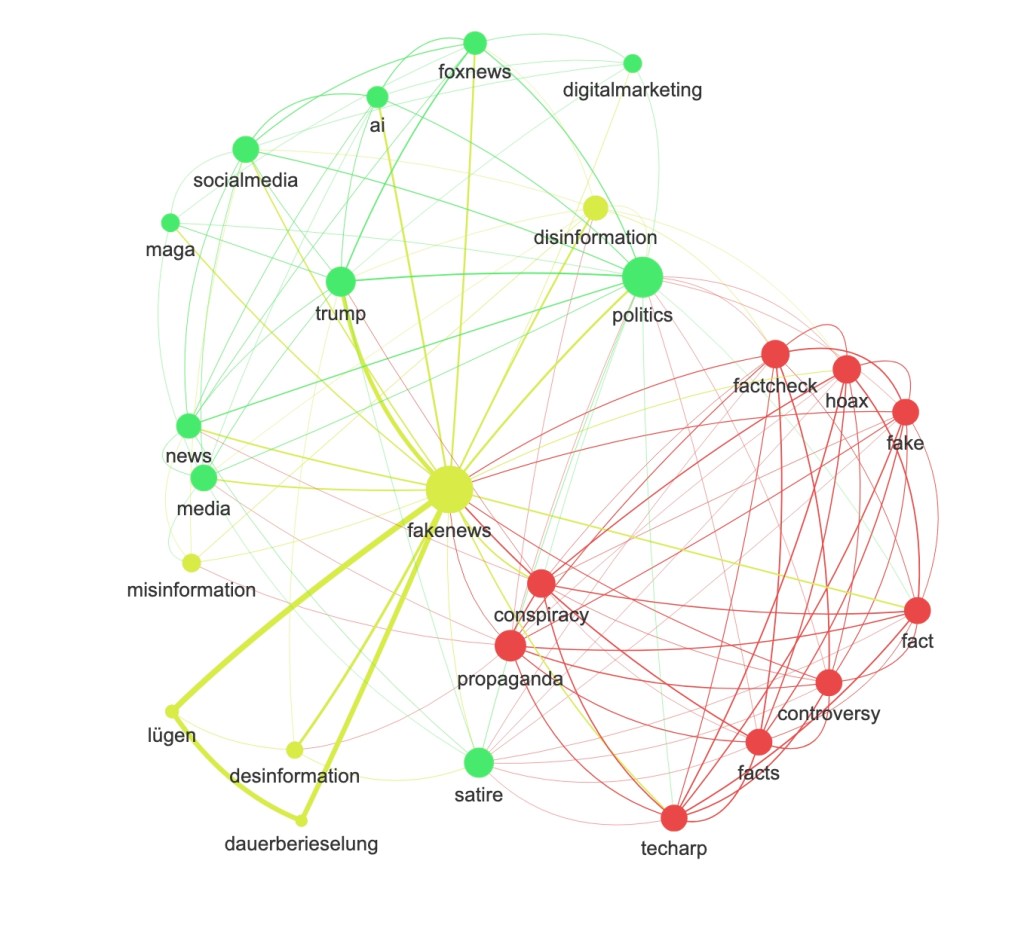
Scraping for Research Purposes: In 2017, researcher Jonathan Albright used social media scraping to study the spread of fake news and political propaganda during the 2016 U.S. presidential election. After initial access restrictions, Facebook allowed Albright to resume scraping when he provided evidence of research purposes.
Scraping for Business Purposes: In 2019, hiQ Labs sued LinkedIn for blocking its access to public profile data. hiQ used this data to create algorithms predicting employee job transitions. The court ruled that hiQ’s scraping did not violate the law since the data was publicly available and did not harm LinkedIn’s servers.
Tools for social media scraping
Phantombuster and Apify are two powerful web scraping and automation tools designed specifically for social media scraping. Phantombuster offers a library of pre-built scraping agents called “Busters” and allows for customizable workflows, automation, and scheduling. Apify provides “Actors,” ready-made scraping scripts for popular social media platforms, as well as scalability, parallelization, and data storage options. Both tools simplify the scraping process, reducing technical complexities and enabling users to focus on analyzing the extracted data. It is important to follow legal and ethical guidelines when using these tools. Overall, Phantombuster and Apify empower users to leverage social media scraping for valuable insights and data-driven decision-making.
Conclusions an next steps
Social media scraping has the potential to unlock valuable insights and opportunities for businesses and researchers. It provides cost-effective access to rich and customizable data, enabling in-depth analysis and informed decision-making. However, it is crucial to navigate the legal and ethical complexities associated with social media scraping, ensuring compliance with laws and respecting user privacy. By harnessing the power of social media scraping responsibly, organizations can gain a competitive edge and stay ahead in today’s data-driven world. Embracing best practices and adhering to ethical standards will pave the way for successful data-driven strategies and meaningful insights derived from social media platforms.
Additional resources

Want to dive deeper into social web scraping or using ChatGPT for data analytics? Check out our upcoming webinars or access recordings of past sessions. Stay updated and enhance your skills!
Image credits:
Dripify, Binaryfolks.


 Digital Data Stories
Leave a reply to Some personal thoughts and explorations in social media analytics, including a new webinar on Gephi – Digital Data Stories Cancel reply